The best raincoats for dogs: how to choose well
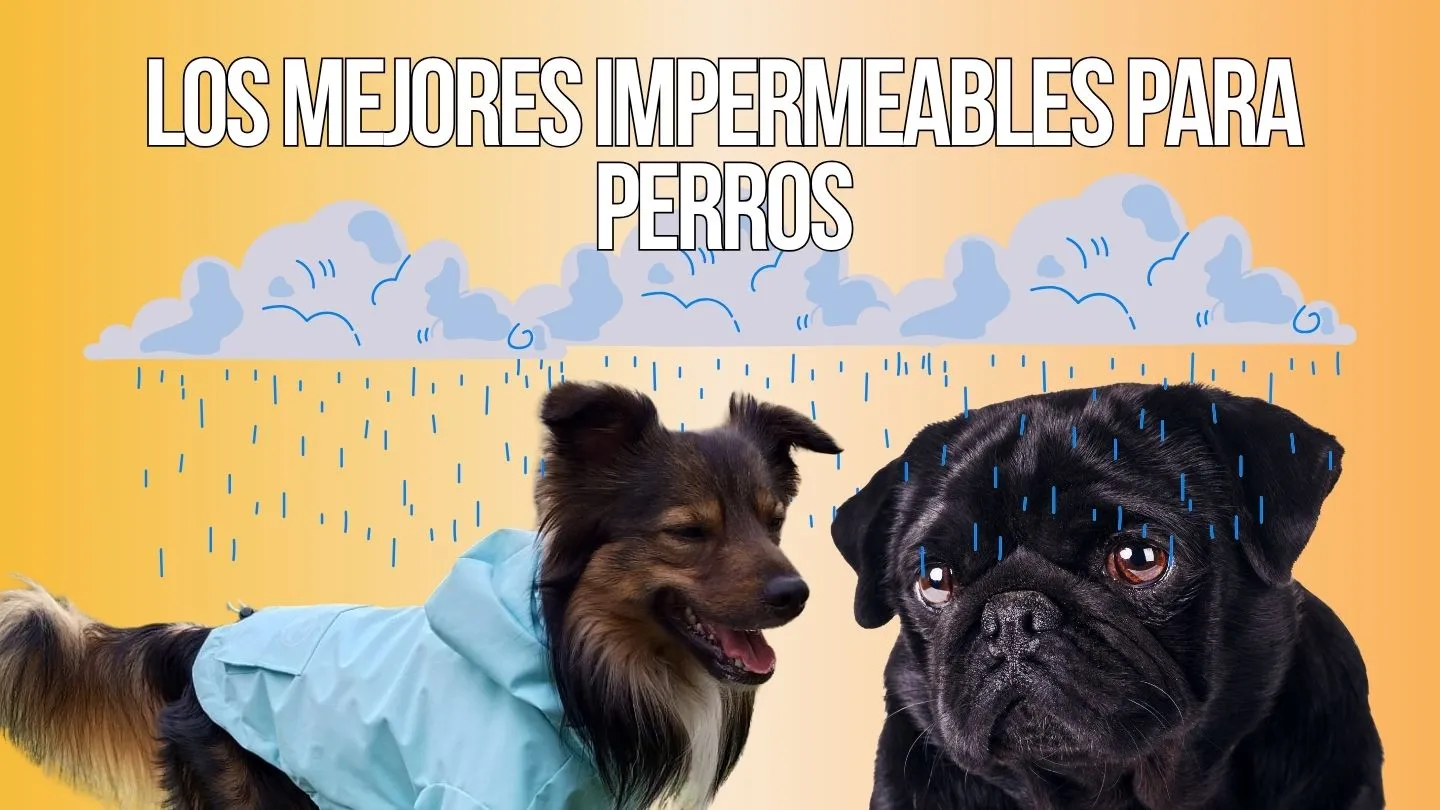
Finding the best raincoats for dogs isn't about picking the cheapest or the flashiest, but the one that genuinely protects your dog from the rain without getting in its way. The market is full of raincoats that look good in the photo but fail where it matters: they let water in at the sides, shift as the dog walks or are a nightmare to put on. In this guide we show you the criteria that separate a great raincoat from a mediocre one, so you compare with knowledge and get it right. Because the best raincoat is the one that keeps your dog dry and lets it move as if it weren't wearing anything. And if you're torn between a raincoat and a coat? We compare them in sweatshirt or coat, which one?.
What makes a dog raincoat genuinely good
Before comparing models, be clear on the criteria. A raincoat stands out from the rest when it gets four things right, and they all matter more than colour or price.
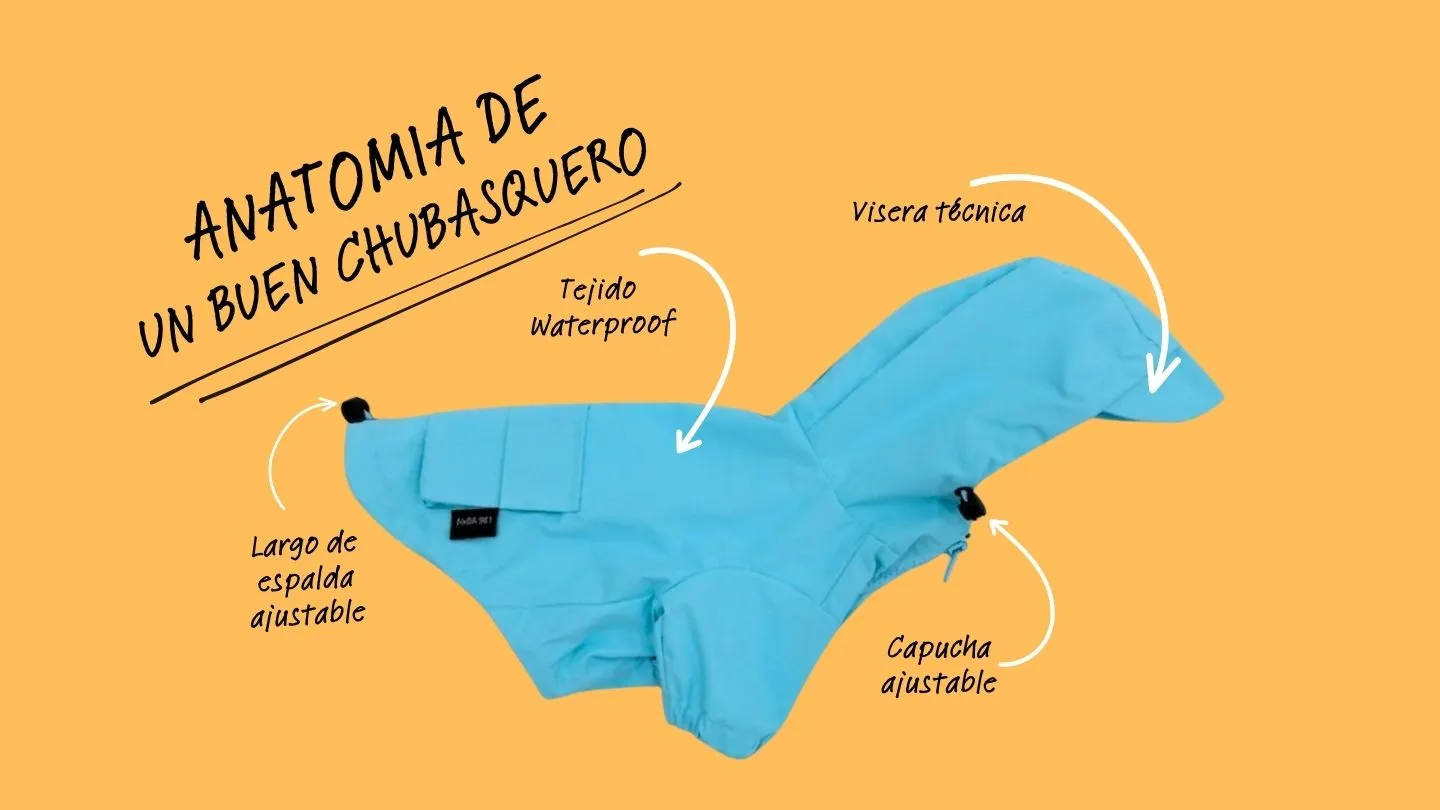
The first and most obvious is real waterproofing: a good raincoat truly repels water, not just holds it off for a couple of minutes. The second, and the most neglected, is fit: the best fabric is useless if water gets in at the neck or the sides. A quality raincoat has a fit designed at the neck and back so water doesn't get in and it doesn't move as the dog walks. The third is ease of putting on, because a raincoat that's a struggle to fit ends up unused on the very day it rains. And the fourth is freedom of movement: it must protect without squeezing the chest or shortening the stride. If a raincoat fails on fit or mobility, however waterproof it is, it isn't among the best.
The best raincoats for dogs: what to look at when comparing
When you compare to find the best raincoats for dogs, there are signs that tell a good product from one made only to sell.
Look at the fastening system: a front zip is far more practical and quick than options that make you wrestle the dog in the rain. Check the fit in the critical areas —neck and back—, which is where keeping water out is decided. Make sure the brand offers a size guide by measurements, not just weight, because a raincoat that doesn't fit well doesn't protect. And weigh up ease of maintenance: good raincoats are machine-washed at low temperature and air-dried without losing their properties (we detail it in how to wash your dog's clothes without ruining them). And if you want the full buying framework, review the 10 things to check before buying too.
Our technical raincoat is built on exactly these criteria: a front zip to put it on without a fight, a snug fit at the neck and back so water can't get in, and a cut that respects mobility. You've got it in black and sky blue in our dog raincoats section.
Technical raincoat vs. basic cape: not everything protects the same
Within raincoats there's a fundamental difference worth understanding. Basic capes —those waterproof blankets tied over the top— cover the back and little else; they're fine for a quick downpour, but leave the chest and sides exposed and move easily. The technical raincoat, on the other hand, wraps the body better, fits in the key areas and doesn't shift as the dog walks, so it genuinely protects on a walk in real rain.
| Technical raincoat | Basic cape | |
|---|---|---|
| Coverage | Chest, sides and back | Just the back |
| Fit | Neck and back; doesn't move | Shifts as it walks |
| Protection | Walks and heavy rain | Quick shower |
| Putting on | Front zip | Ties over the top |
For short trips under a drizzle, a basic cape can do. But if you want serious protection for real walks or you live where it rains often, a technical raincoat with a good fit is, without question, the best investment. It's the difference between a dog that gets home dry and one with a soaked chest.
Which dogs a good raincoat is essential for
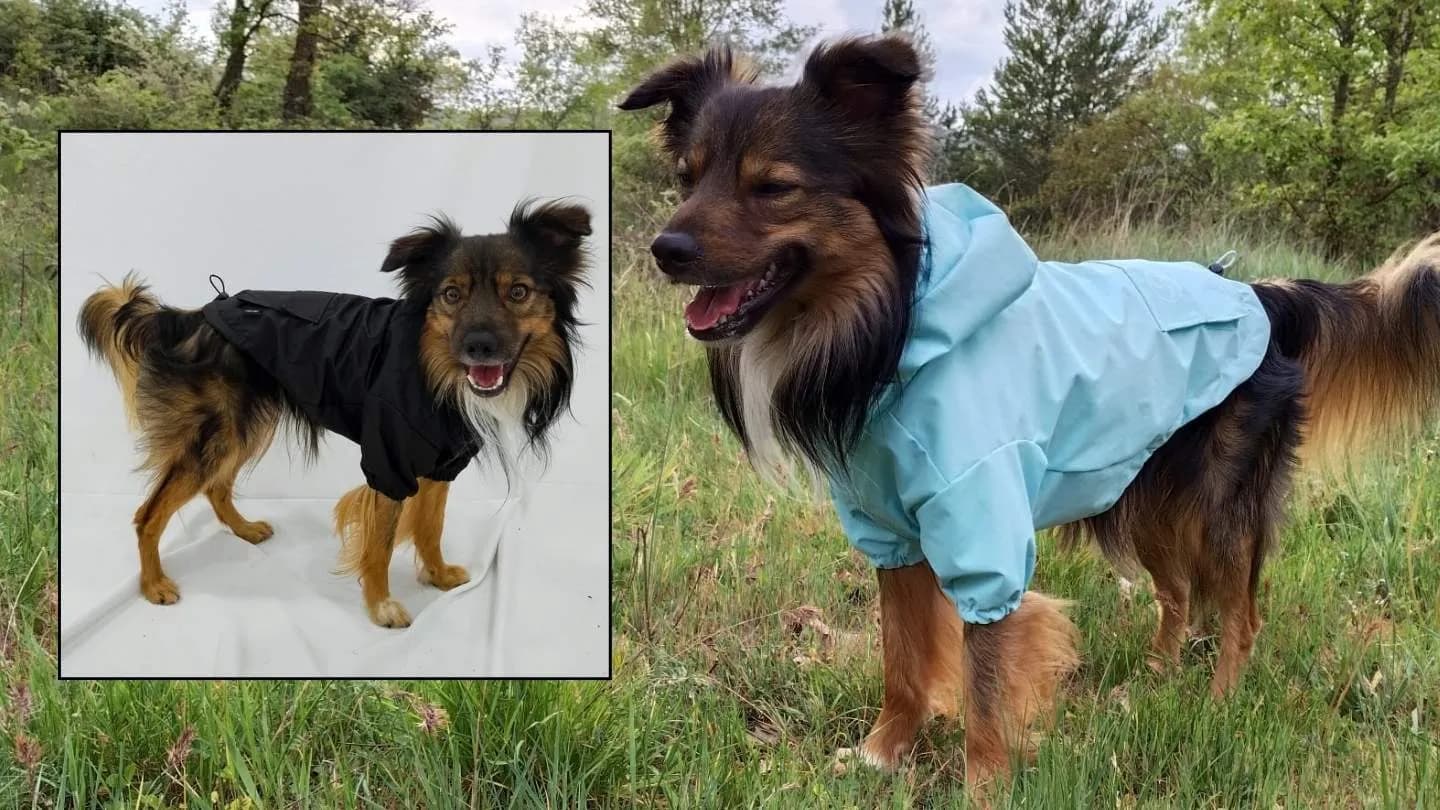
A raincoat isn't a whim for every dog, but for some it's basic kit. Short-haired breeds or those without an undercoat —greyhounds, podencos, boxers— and small dogs, which soak through quickly and lose heat fast, get the most out of it. So do senior or sick dogs, more sensitive to cold and damp. If you're unsure whether your dog needs one, we cover it in depth in does your dog need a raincoat?.
On the other hand, double-coated breeds with fur that already repels water tolerate light rain well and don't always need one. As always, the key is knowing your dog and its tolerance to water and cold.
The detail that decides everything: fit and size
Here's what turns a good raincoat into the perfect raincoat for your dog: a good fit. A raincoat that's too big leaves gaps for water to get in; one that's too small squeezes and limits movement. In a garment whose job is to protect from rain, a bad fit cancels its whole function.
Getting it right is simple. With two measurements —chest girth and back length— and our size guide you find the exact size. If you've never measured your dog, follow the step by step in how to measure your dog, and if it falls between two sizes, size up for coverage without squeezing.
💡 FARA 961 tip: when the raincoat arrives, get your dog used to it gradually and with treats before the first rainy day. We tell you how in our guide to getting your dog used to the raincoat.
Conclusion: the best raincoat is the one that really protects
The best raincoats for dogs aren't chosen by price or print, but by what matters: real waterproofing, a fit that keeps water out, a front zip to put it on without fuss and freedom of movement. Add the right size and you'll have the ideal raincoat: your dog dry, comfortable and stylish even in a downpour.
Ready for rain to stop being a problem? Discover our technical raincoat in black and sky blue in the dog raincoats section: a front zip, a fit at the neck and back and real protection. Comfort first, attitude second.
📸 Show us your dog ready for the rain on Instagram: @fara961dogwear.
Frequently asked questions
What should a good dog raincoat have?
Real waterproofing, a fit that keeps water out (especially at the neck and back), a front zip that makes it easy to put on and a cut that respects mobility without squeezing the chest.
Which is better, a basic cape or a technical raincoat?
For a short downpour, a basic cape can do. For real walks or areas with frequent rain, the technical raincoat protects far more: it fits the body, doesn't move and covers the chest and sides.
How do I choose my dog's raincoat size?
Measure its chest girth and back length and compare them with the size guide. If it falls between two sizes, size up so it protects well without squeezing.
How do you wash a dog raincoat?
By machine at a maximum of 30 °C, without bleach, and air-drying it (never in the tumble dryer) so as not to damage its ability to repel water. Don't iron it either.