Does your dog need a raincoat? When yes and when no

A raincoat for a dog can be the difference between a pleasant walk in the rain and coming home with a soaked, shivering dog and the whole drying ordeal. But does your dog really need one, or is it a skippable extra? The answer, as almost always, depends. In this article we help you decide sensibly: when a raincoat really protects, which dogs it's almost essential for and when it isn't needed. Without overstating the need, but without leaving your dog miserable when it could be dry and comfortable.
What a raincoat is for (beyond not getting wet)
The obvious first: a raincoat keeps your dog dry. But the real benefit goes beyond aesthetic comfort. A soaked dog loses heat much faster, and that's where rain stops being a nuisance and becomes a problem, especially in winter and in cold-sensitive breeds. If you're torn between this garment and a warm one, we compare them in sweatshirt or coat, which one?.
Keeping the chest and back dry helps your dog conserve body temperature, reduces the risk of it arriving home chilled and, along the way, saves you the ritual of drying it head to toe and cleaning mud off the whole house. A good raincoat is, in essence, comfort and practicality in one garment: for the dog and for you. And when it's time to wash it, we explain how to wash your dog's clothes without ruining them and how to get the smell out without damaging the fabric.
When a dog needs a raincoat: the clear cases
If you're wondering when a dog needs a raincoat, there are situations where the answer is a resounding yes.
The first case is short-haired or undercoat-less breeds —greyhounds, podencos, boxers, pinschers— and small dogs. They soak through instantly and lose heat fast, so on a rainy day they appreciate the protection more than anyone. Add to them senior, sick or puppy dogs, which regulate their temperature worse and for whom getting wet in the cold can be more than a discomfort. In fact, a wet dog feels twice as cold: if yours already feels the cold, rain makes it worse. Learn to recognise the signs in is my dog cold?. The extreme case is the chihuahua, tiny and low on body fat: we explain how to protect it in chihuahua clothes.
The second case is purely environmental: if you live in a rainy area or take long walks, the raincoat stops being a whim and becomes basic kit. A two-minute shower isn't the same as half an hour walking in the rain. And the third case is dogs that get wet and then take ages to dry because of their coat type: keeping them dry from the start spares them hours of cold.
When it isn't needed (and forcing it is pointless)
With the same honesty: not all dogs need a raincoat. Double-coated breeds with naturally water-repellent fur —like the husky, the labrador or the golden— tolerate light rain well thanks to their coat, which repels much of the water. For a short walk in drizzle, they often don't need it.
It also makes no sense for very brief outings, the kind where you pop out to let the dog do its business and come back, where the dog barely gets wet. And of course, if your dog shows no discomfort with rain —some dogs even enjoy water—, there's no reason to force a garment it doesn't need. The golden rule holds: a raincoat adds value when it solves a real cold or wet problem, not as a rule for everyone.
If you want to dig into the broader debate, we cover it in our article Do dogs need clothes? Myths and facts.
What a good dog raincoat should have
Not all raincoats protect equally. If you've decided your dog needs one, these are the details that separate one that works from one that gets in the way.
First is a fit that leaves no gaps: our technical raincoat has a fit designed around the neck and back so water doesn't sneak in at the sides and the garment doesn't shift while the dog walks. Second is a front zip that makes it easy to put on and take off without a struggle — welcome when it's raining and you're in a hurry. And third, that it respects mobility: a good raincoat protects without squeezing the chest or limiting the stride, so the dog moves freely in the rain. You have it in black and sky blue in our dog raincoats section.
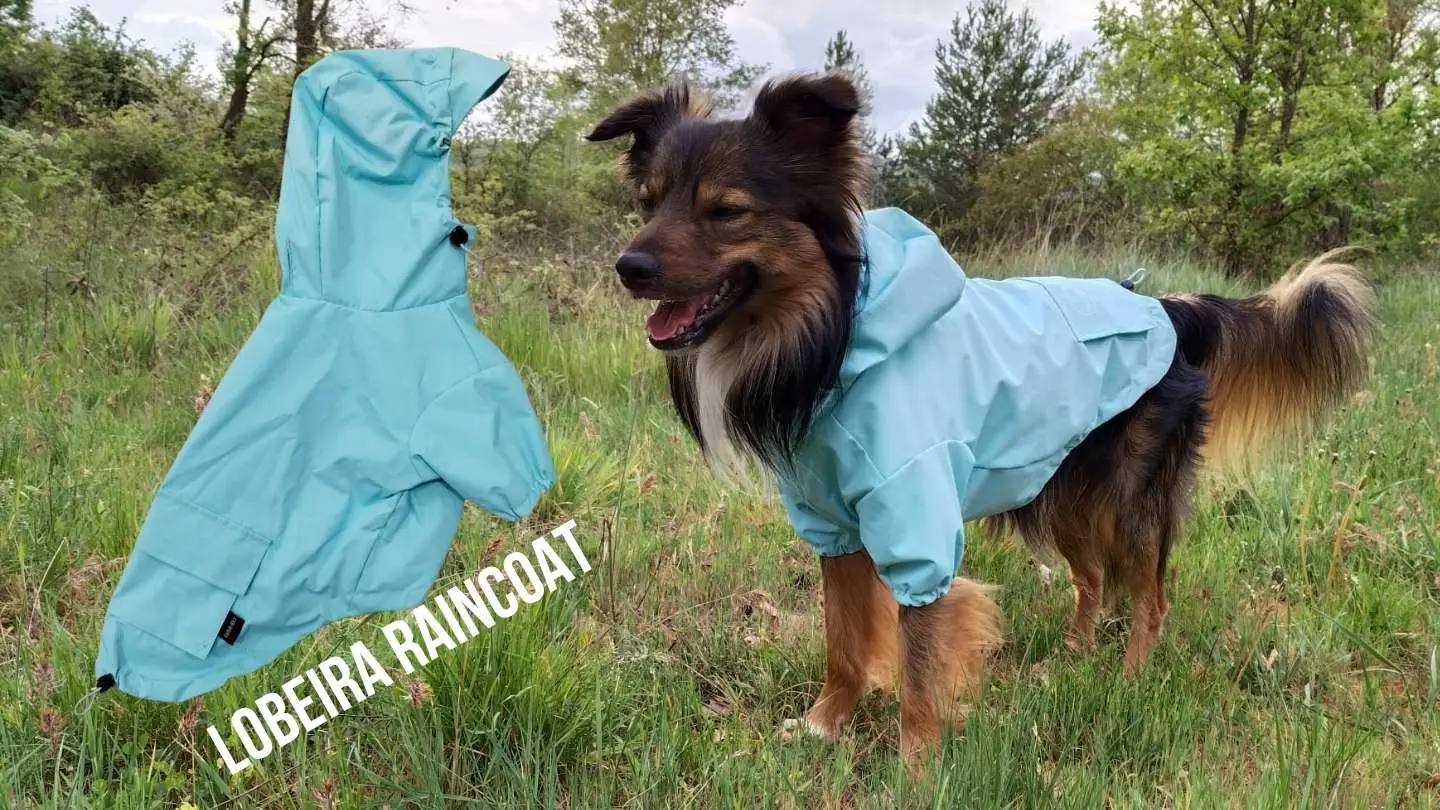
Get the size right so it really protects
A raincoat only does its job if it fits well. Too big and water sneaks in through the gaps; too tight and it pinches and bothers. You only need two measurements: chest girth and back length. If you've never taken them, we explain it step by step in how to measure your dog. With those numbers, confirm them in our size guide and, if your dog is between two sizes, size up so it has slack without losing coverage.
💡 FARA 961 tip: get your dog used to the raincoat on a dry day at home, with treats, before the first rainy walk. That way it'll associate it with something positive rather than the discomfort of water. We explain it step by step in how to get your dog used to a raincoat.
Conclusion: decide sensibly, protect when it counts
So, does your dog need a raincoat? If it's short-haired, small, senior or you live where it rains often, the answer is yes, and it'll transform its rainy days completely. If it's a double-coated breed and you only go out for a moment, probably not. The key is deciding sensibly: protect when rain is a real problem, and don't over-layer out of habit. And when you decide yes, we help you choose it in the best raincoats for dogs. And if your doubt is which garment it needs in general —warmth, rain or style? We guide you in how to choose the best clothes for your dog.
If your dog is in the group that does need one, choose a raincoat with a good fit, a front zip and freedom of movement. Take a look at our dog raincoats: technical protection and urban style in one garment. And for your outdoor getaways, keep it handy in your dog's camping bag. Comfort first, attitude second.
📸 Show us your dog ready for the rain on Instagram: @fara961dogwear.
Frequently asked questions
When does a dog need a raincoat?
Above all if it's short-haired or without an undercoat, small, senior or a puppy, or if you live in a rainy area. In those cases, keeping it dry stops it getting cold and arriving home soaked.
Do all dogs need a raincoat?
No. Double-coated breeds, like the husky or the labrador, tolerate light rain well thanks to their coat. For very short walks or dogs that don't mind water, it isn't essential.
What should a good dog raincoat have?
A fit that leaves no gaps for water to get in (especially at the neck and back), a front zip for easy fitting and a cut that respects mobility without squeezing the chest.
How do I choose the raincoat size?
Measure your dog's chest girth and back length and compare them with the size guide. If it's between two sizes, size up: that way it protects well without pinching.