Do dogs need clothes? Myths and facts
Do dogs really need clothes or is it a human whim? The honest answer is: it depends. Some dogs appreciate it for health and wellbeing; others don't need it at all and forcing it only bothers them. At FARA 961 we make dog clothing, but the animal comes first: that's why we won't tell you every dog needs a coat. We give you real criteria so you can decide, based on your dog, your climate and your routine. Let's separate the myths from the facts.
The short answer: it depends on the dog, the climate and the situation
There's no universal "yes" or "no". Dog clothing is functional in some cases and optional in others. It comes down to three factors:
- The dog: size, breed, coat, age and health.
- The climate: real cold, rain, wind, snow or heat.
- The situation: a short walk isn't the same as hours outdoors.
A greyhound in January and a husky on the same street experience cold in opposite ways. So, before buying anything, you need to understand the dog in front of you.
When dogs really do need clothes
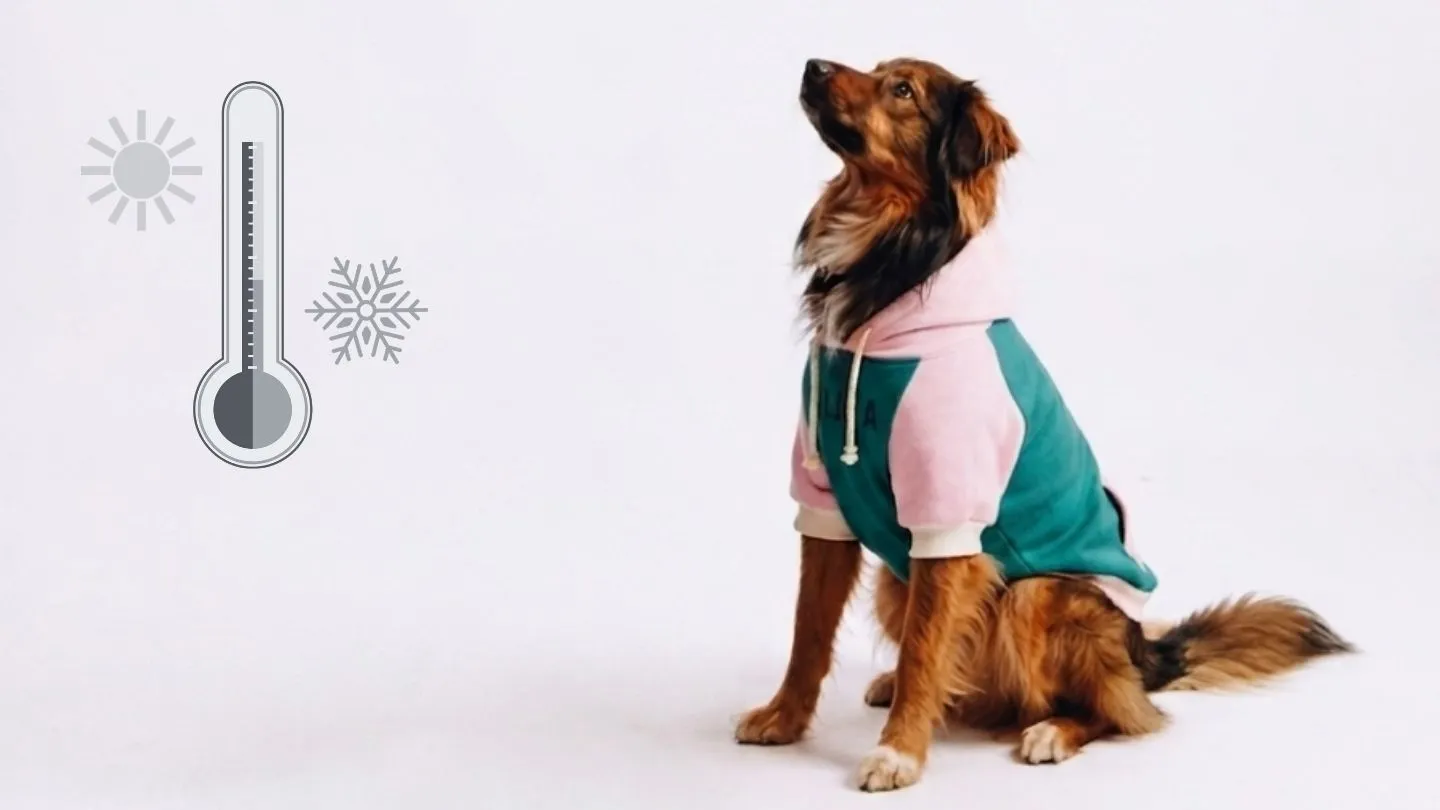
Here's the honest core of the article. These are the cases where dogs genuinely need clothes, for wellbeing and not for fashion:
Breeds that really do feel the cold
Not every dog is built for winter. These appreciate it:
- Short-haired breeds or those without an undercoat: greyhounds, podencos, boxers, pinschers, chihuahuas, French bulldogs.
- Small breeds with little body fat: they lose heat fast.
- Senior or sick dogs: they regulate temperature worse.
- Puppies: they don't yet control their thermoregulation well. And they grow: measure often and leave a fair margin, as we explain in puppy clothes.
If your dog shivers, hunches its body or lifts its paws in the cold, it's telling you it's cold. There, a hoodie or a coat isn't a whim: it's real comfort. The textbook example is the chihuahua: see how to keep it warm in chihuahua clothes.
Rain, snow and mud
A soaked dog gets cold and takes ages to dry. A good raincoat keeps the back and chest dry, stops it arriving home drenched and cuts the drying hassle. In rainy areas, it's about as functional as it gets.
Protection and visibility
- Visibility: garments with reflective details for walking at night or in fog.
- Post-op or sensitive skin: a shirt protects stitches, scars or irritated skin (always with the vet's ok).
When they DON'T need clothes (and forcing it is a mistake)
Honesty first: some dogs don't need clothes, and putting them on can backfire.
- Arctic, double-coated breeds: husky, malamute, samoyed, St. Bernard. Their coat is a natural technical jacket. Covering them up can make them overheat.
- Large, dense-coated dogs in mild climates: they don't need it for a normal walk.
- Indoors with heating: unless the dog is sick or very old, it's unnecessary.
- In summer or heat: needless clothing = heatstroke risk. Here, less is more.
The myth that "all dogs need a coat"
False. Putting clothes on a dog that already has plenty of coat doesn't make it happier or healthier. It can limit movement, overheat it and stress it. Clothing adds value when it solves a real problem: cold, rain, protection. No problem, no need.
How to tell if your dog needs clothes: clear signs
Watch your dog. It tells you:
- It shivers outdoors even when it's not extremely cold.
- It hunches its body, tucks its tail and walks tense.
- It lifts its paws or tries to head home right away.
- It freezes at the door before going out.
And the other way round, signs the clothing is too much: excessive panting, attempts to take it off, stiffness when moving or the garment covering the peeing area. If a garment is uncomfortable, comfort always wins. That's why size matters so much: a poorly fitted garment bothers even the dog that does need it. Learn to take the right measurements in our How to measure your dog guide and confirm them in the size guide.
Clothing also has an aesthetic side (and that's fine)
Let's be honest: part of dog clothing is aesthetic, and that's legitimate as long as the dog is comfortable. A light shirt on a mild day doesn't keep it warm, but it doesn't bother it either, and it reinforces that touch of style and bond with your dog. The red line is clear: aesthetics can never compromise the animal's comfort, mobility or health. As long as that's respected, dressing your dog with attitude is perfectly valid.
Conclusion: judgement over fashion
So, do dogs need clothes? Some do —for cold, rain or protection—; others don't, and forcing it just gets in their way. The golden rule: clothing adds value when it solves a real problem and always respects the dog's comfort. Watch your dog, factor in its breed and your climate, and decide with judgement. And if you want to go into detail, we help you spot if it's cold, decide whether it needs a raincoat and find out whether hooded sweatshirts are comfortable.
If your dog is in the group that does appreciate it, choose garments designed to move freely and with style. Take a look at our shop: hoodies, raincoats and shirts designed to keep it comfortable and full of attitude. Not sure which suits it? We guide you in how to choose the best clothes for your dog. Comfort first, attitude second.
Frequently asked questions
Do all dogs need clothes in winter?
No. Short-haired, small, senior or sick breeds appreciate it. Arctic double-coated breeds (husky, malamute) don't need it and may even overheat with it.
How do I know if my dog is cold?
Watch for signs: shivering, a hunched body, tucked tail, lifting the paws or wanting to head home right away. They're clear indicators a garment would help.
Is it bad to put clothes on a dog that doesn't need them?
It can be. In heavily coated breeds or in the heat, clothing causes overheating and stress. If it doesn't solve a real problem (cold, rain, protection), better to skip it.
Is dog clothing purely aesthetic?
Not always. There's a clear functional use (cold, rain, protection, post-op) and a legitimate aesthetic one, as long as the dog is comfortable and the garment doesn't limit movement.